

The fifa world cup 2026 groups table is where the tournament starts to tell its first big stories. Before the knockouts, penalties and final-week drama, every nation has to survive the group stage — and in 2026, that challenge feels bigger than ever.
This is the first men’s World Cup with 48 teams, 12 groups and 104 fixtures, hosted across Canada, Mexico and the United States. FIFA describes the 2026 edition as the first tournament to feature 48 teams and three host countries, making it the largest World Cup to date.
For fans in London, that means more teams to follow, more surprise fixtures and more reasons to plan proper viewing nights. The full fifa world cup 2026 teams list includes traditional contenders, exciting debut stories, strong African sides, European giants and several Latin American nations with passionate support across the capital.
The new 48 teams world cup format also changes how fans should read the group stage. The 2026 tournament has 72 group-stage matches, and the top two teams from each group qualify automatically for the Round of 32. They are joined by the eight best third-placed teams, which keeps more nations alive deep into the final group matches.
At The Pool Lounge in Elephant & Castle, that creates the perfect kind of tournament: constant football, shifting tables, emotional crowds and matches that can turn into proper nights out.
Read more: FIFA World Cup 2026 Groups Table & Team AnalysisHere is the current group table structure:
| Group | Teams |
| Group A | Mexico, South Korea, Czechia, South Africa |
| Group B | Switzerland, Canada, Qatar, Bosnia and Herzegovina |
| Group C | Brazil, Morocco, Haiti, Scotland |
| Group D | United States, Türkiye, Australia, Paraguay |
| Group E | Germany, Curaçao, Ivory Coast, Ecuador |
| Group F | Netherlands, Japan, Sweden, Tunisia |
| Group G | Belgium, Egypt, Iran, New Zealand |
| Group H | Spain, Cape Verde, Saudi Arabia, Uruguay |
| Group I | France, Senegal, Iraq, Norway |
| Group J | Argentina, Algeria, Austria, Jordan |
| Group K | Portugal, Congo DR, Uzbekistan, Colombia |
| Group L | England, Croatia, Ghana, Panama |
Current standings pages list these 12 groups, with early results already affecting Groups A, B and D.
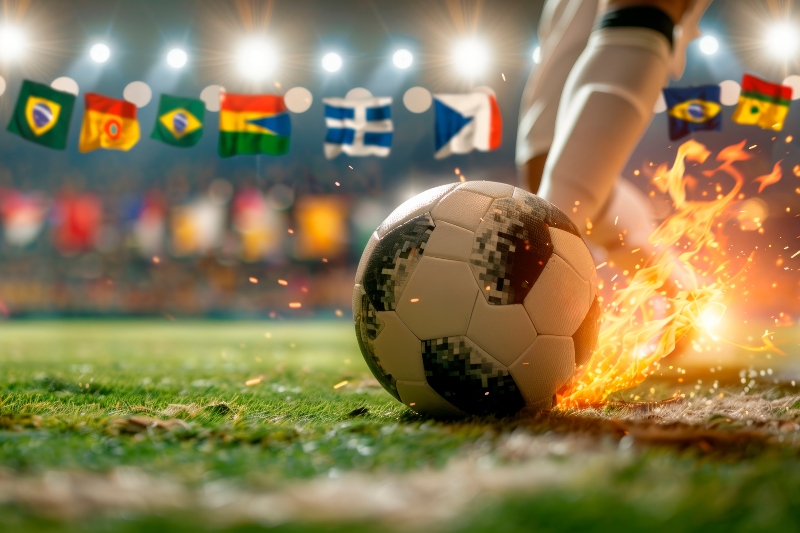
Latin American Teams to Watch
For many London fans, the World Cup is not only about England or Europe’s biggest names. It is also about the colour, rhythm and emotion that Latin American teams bring to the tournament.
That is where The Pool Lounge has a natural edge. A World Cup night feels different when the crowd brings flags, songs, shirts, accents and football memories from different countries. Brazil, Argentina, Colombia, Mexico, Ecuador, Uruguay and Paraguay all give London supporters different reasons to gather.
Mexico sit in Group A with South Korea, Czechia and South Africa. As one of the host nations, Mexico carry pressure, expectation and huge support. Their matches are likely to attract fans looking for atmosphere from the very first whistle.
Brazil are in Group C with Morocco, Haiti and Scotland. Any Brazil fixture has a special pull: flair, history and the expectation that something memorable could happen at any moment.
Paraguay are in Group D alongside the United States, Türkiye and Australia. Their group has a strong host-nation storyline because the USA are involved, making Paraguay’s fixtures especially interesting for neutral fans.
Ecuador face Germany, Curaçao and Ivory Coast in Group E. That is a tough and fascinating group, with Germany bringing pedigree and Ivory Coast adding physical strength and tournament experience.
Uruguay are in Group H with Spain, Cape Verde and Saudi Arabia. Spain v Uruguay already sounds like one of those group-stage games that could feel like a knockout match.
Argentina lead Group J with Algeria, Austria and Jordan. As reigning world champions from 2022, Argentina will be followed closely in every city, every bar and every football conversation.
Colombia are in Group K with Portugal, Congo DR and Uzbekistan. For Colombian fans in London, this group offers one of the most exciting storylines of the tournament: a chance to test themselves against Portugal while also fighting for a strong route into the knockouts.
For supporters who want to turn these fixtures into a social evening, The Pool Lounge works well as a meeting point before, during and after the match. If your group is planning to gather straight from the office before a key evening kick-off, this guide to After Work Drinks London: Where Evenings Turn Into Legendary Nights is a useful way to shape the wider night around the football.
And for fans who follow elite club football as closely as international tournaments, especially supporters of Spanish and Latin American stars, this guide to Bars to Watch Real Madrid Matches: The Ultimate Guide for Fans in the UK connects naturally with the same kind of big-match viewing culture.
The best part of the group stage is that no one knows which fixture will become legendary. A Colombia equaliser, an Argentina late winner, a Brazil masterclass or a Uruguay upset could all become the moment people remember.

Match Calendar by Group
The group-stage calendar matters because the 2026 format creates more moving parts than a traditional World Cup. With 12 groups and four teams in each, fans will need to track results carefully.
Each team plays three group matches. A win in the first game can create breathing room. A defeat can turn the second match into a must-not-lose night. By the third fixture, goal difference and third-place rankings may become just as important as first and second place.
That makes the group calendar ideal for viewing parties. Instead of waiting only for the knockout rounds, fans can follow a team’s full journey from the first match.
Here is a simple way to read the groups from a London viewing perspective:
Groups A and B are important because they include two host nations, Mexico and Canada. These matches bring opening-week energy and early pressure.
Group C is one of the most attractive groups for South London crowds, with Brazil and Scotland likely to generate strong interest.
Group D has a strong host-country angle with the United States, plus Paraguay for Latin American supporters.
Group E brings Germany and Ecuador into the same group, giving fans a classic Europe v South America storyline.
Group H offers Spain and Uruguay, one of the most appealing clashes of the group stage.
Group J belongs to Argentina’s title defence narrative, with Algeria, Austria and Jordan all trying to disrupt the script.
Group K is one to circle early because Portugal and Colombia both have strong followings in London.
Group L will attract huge local attention because England face Croatia, Ghana and Panama.
FIFA’s official match schedule page lists the group-stage fixtures and dates, allowing fans to follow matches by day, team and host city.
For The Pool Lounge, this kind of calendar creates several matchday moods. Some fixtures are perfect for a casual weekday catch-up. Others deserve a full group booking. The biggest group-stage clashes can feel like semi-finals when the right crowd is in the room.
The trick is to plan around emotion, not only ranking. England, Brazil, Argentina, Colombia, Mexico, Spain and Portugal will draw obvious attention, but the expanded tournament also means underdog stories could build quickly.
A third-place route into the Round of 32 makes almost every point valuable. That means fans may still have everything to play for on the final group day — and that is exactly when a sports bar atmosphere becomes electric.

Where to Watch FIFA World Cup 2026 in London
The group stage is made for shared viewing. One night might be about England, the next about Brazil, Colombia, Argentina, Mexico or Portugal. Every group brings a different crowd, a different rhythm and a different reason to gather around the screen.
For fans looking for live screenings, group nights, pool tables and a proper South London football atmosphere, The Pool Lounge is a natural matchday base in Elephant & Castle. If you are planning your tournament calendar and deciding where to watch fifa world cup 2026 in London, bring your friends, follow your team’s group and make every fixture part of a bigger World Cup night.
FAQs
What is the FIFA World Cup 2026 groups table?
The fifa world cup 2026 groups table is the full list of the 12 tournament groups, showing the four teams in each group and, once matches begin, their points, goal difference and position.
How many teams are in the FIFA World Cup 2026?
The tournament features 48 teams, making it the largest men’s World Cup so far. FIFA confirms the 2026 edition is the first with 48 teams and three host countries.
How does the 48 teams world cup format work?
The 48 teams are divided into 12 groups of four. The top two teams in each group qualify for the Round of 32, along with the eight best third-placed teams.
Which Latin American teams are playing in the 2026 World Cup?
Latin American teams in the group stage include Mexico, Brazil, Paraguay, Ecuador, Uruguay, Argentina and Colombia.
Where can I watch World Cup group-stage matches in London?
You can watch group-stage matches at The Pool Lounge in Elephant & Castle, especially if you want a South London sports-bar atmosphere with group-friendly viewing.
Why is the group stage more important in 2026?
Because the new format allows the eight best third-placed teams to qualify, more teams stay alive until the final round of group matches. This makes the table more unpredictable and more exciting for fans.