
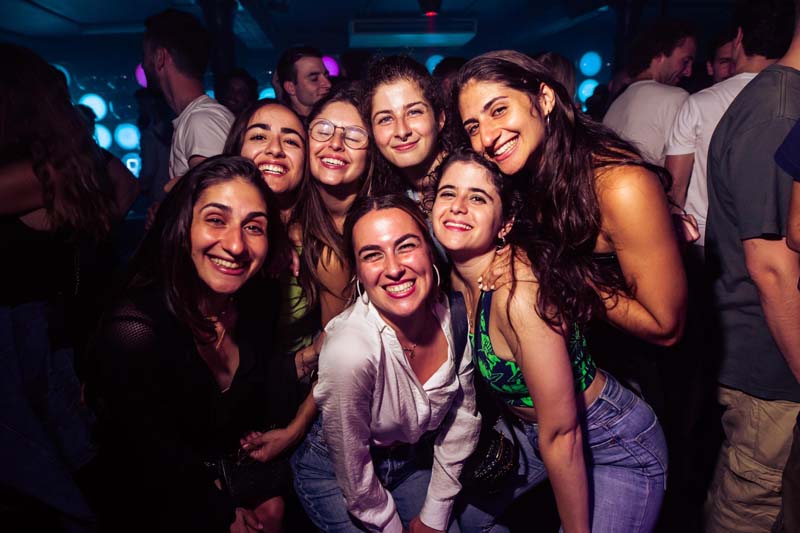
Living in London can give you almost everything — except the strange little things you suddenly miss from home.
It might be hearing a song you have not played for years. Someone arguing passionately about football in Spanish or Portuguese. A familiar rhythm from across the room. A drink that reminds you of weekends with friends. Or simply being surrounded by people who understand why a match, a lyric or a particular expression means more than it appears to.
That is part of the appeal behind Colombian community events London residents seek out.
They are not always about recreating Colombia or Brazil perfectly. London could never do that, nor should it try. What matters is creating moments where people living away from home can recognise something of themselves again.
For the wider Latin American diaspora London is home to, those moments can turn an ordinary night out into something much more personal.
Feeling at Home: Colombian Community Events London and Cultural Connection
There is a difference between going somewhere that plays Latin music and going somewhere where the crowd understands it.
You notice it in the reactions.
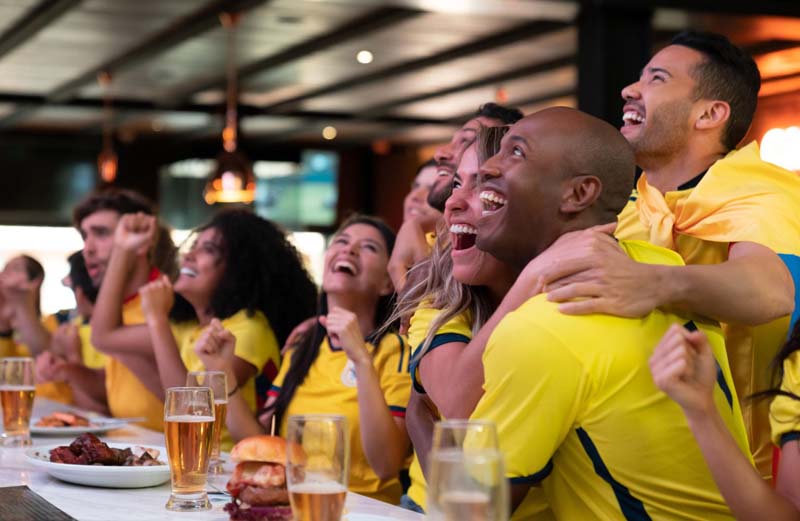
A familiar track starts and someone immediately knows the first line. A Colombian goal turns strangers into temporary best friends. Two Brazilians hear Portuguese at the next table and suddenly a new conversation begins.
These moments may look small, but they matter when you live far from the places, people and routines that shaped you.
For Colombians in London, community can form around football, vallenato, salsa, reggaeton or simply the pleasure of speaking Spanish without thinking about every sentence.
For Brazilians, the details may be different — Portuguese, samba, pagode, funk, football traditions and their own cultural references — but the feeling of recognising home inside another city can be remarkably similar.
That is why the best community nights are not built around the idea that every Latin American culture is the same.
They work because different identities can share the same room without losing what makes each one distinctive.
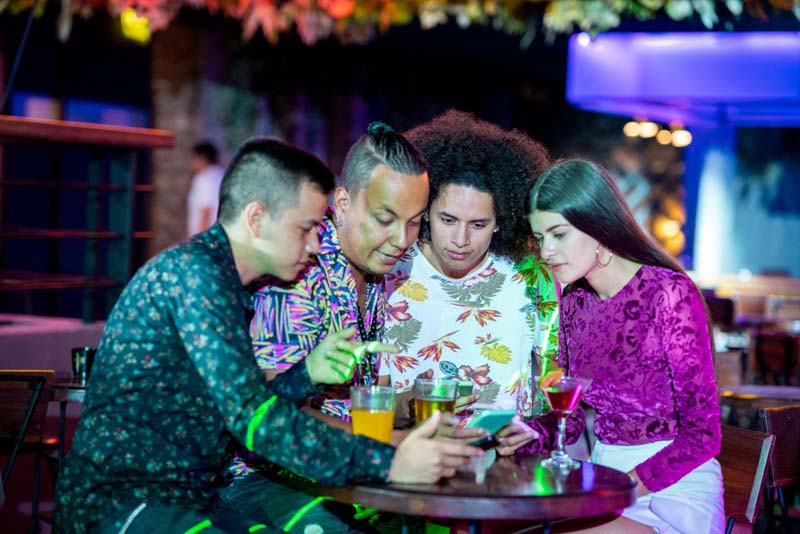
The Power of “Nostalgia Cultural”
Nostalgia has a habit of arriving without warning.
You can spend all week navigating London perfectly happily, then hear a song from your teenage years and mentally travel several thousand miles in three seconds.
That feeling is the heart of nostalgia cultural events.
Cultural nostalgia is not simply about looking backwards or wishing you still lived somewhere else. For people who have built a life abroad, it can be a way of keeping part of their identity present while continuing to belong to their new city.
Music is particularly powerful because it carries memories with it.
The song playing today may remind one person of a family party in Cali and another of a night out in Bogotá. A Brazilian guest might connect a rhythm with São Paulo, Rio, Belo Horizonte or a completely different corner of the country.
The memory is individual, but hearing it among other people turns it into something social.
You are no longer just remembering home.
For a few minutes, you are sharing it.
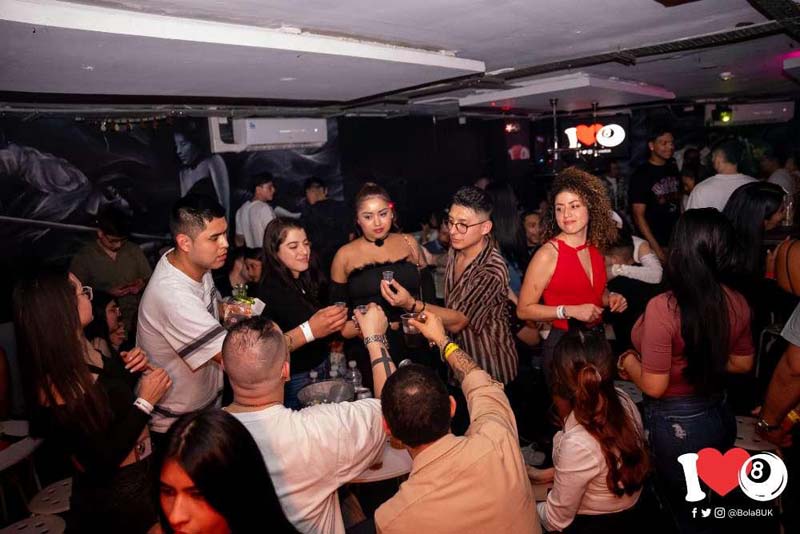
It does not need a national flag hanging from every wall.
Sometimes cultural connection appears through much smaller details: familiar accents, football shirts, jokes that need no explanation, people switching between English and Spanish, or hearing Portuguese nearby.
These are the things that can make a diverse London venue feel personal without becoming exclusive.
A good cultural night says, in effect: you can bring that part of yourself with you.
Traditional Music, Drinks and Sports: Three Shortcuts to Memory
Ask ten people what reminds them of home and you will probably get ten different answers.
But music, drinks and sport appear again and again because they are social traditions as much as cultural ones.
Football is perhaps the clearest example.
For Colombian supporters, players such as Carlos Valderrama, René Higuita, Radamel Falcao and James Rodríguez are connected not only with sporting achievements but with particular generations and memories. Anyone interested in that history can explore our guide to famous Colombian football players who made history, which looks at the players whose careers became part of Colombia’s football identity.
A match can therefore become a cultural event without anyone officially calling it one.
One shirt leads to a conversation. A goal starts a celebration. Somebody debates whether a player should have started. Someone else remembers watching the same national team with their father years ago.
Brazilian football carries its own enormous collection of memories, rituals and rivalries.
The countries are different. The emotional mechanism is similar.
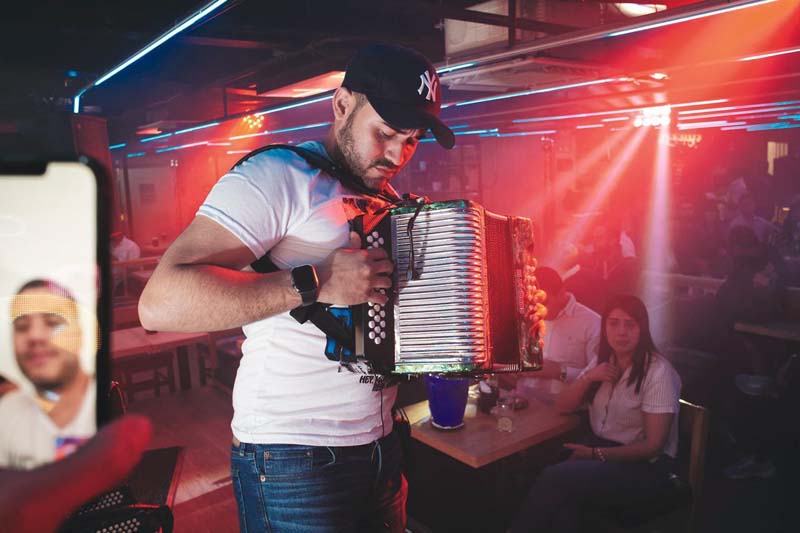
Football Can Make London Feel Smaller
One of the strange things about moving to a huge city is that people from your home country can be everywhere and still feel difficult to find.
Then there is a major match.
Suddenly, shirts appear on the Tube. WhatsApp groups become active. Friends ask where everyone is watching. Someone knows someone who knows a place.
Football creates a meeting point without requiring an introduction.
The Pool Lounge already uses that social side of the game as part of its Latin identity, combining football viewing with pool, drinks and a community atmosphere in Elephant & Castle. Its guide to where to watch South American football in London explores exactly why supporters living abroad often want more than a screen: they want other people who understand why the match matters.
That is when sport stops being background entertainment and starts doing something much more useful.
It brings people together.
Networking for the Latin Expat in London
The word “networking” can sound painfully corporate.
But some of the most useful networks in a new city begin with a completely ordinary conversation.
“Where are you from?”
“How long have you been in London?”
“Do you know anywhere good for…?”
Those questions can eventually lead to friendships, flat recommendations, job contacts, business connections, football groups, dance nights and introductions to other people.
For newcomers within the Latin American diaspora London, social spaces can therefore serve a practical purpose as well as an emotional one.
You might arrive to watch Colombia.
You could leave knowing three people who live twenty minutes from you.
That is community building in its least complicated form.
Why Bola 8 Is More Than Just a Bar
A bar sells drinks.
A meeting point gives people a reason to return even when they have not planned the whole evening.
That distinction is important to Bola 8.
At 122 Elephant Road in SE17, its current identity is built around Latin nightlife, including reggaeton, salsa, bachata, merengue and other rhythms, alongside the wider sports and social character associated with The Pool Lounge.
But the interesting part is not simply the playlist.
It is what happens around it.
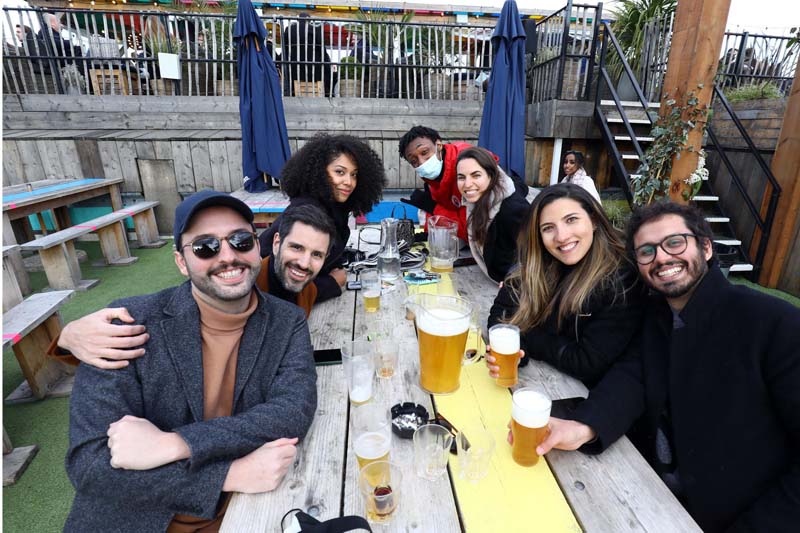
A Colombian living in London can hear familiar music alongside somebody discovering it for the first time. A Brazilian can arrive with British colleagues. Second-generation Latinos can explore music their parents grew up around while still feeling completely part of London.
That mix is what can turn a venue into a Latin meeting point SE17 communities actually use rather than somewhere they visit once for the novelty.
The aim is not to reproduce Bogotá, Medellín, Cali, São Paulo or Rio inside Elephant & Castle.
It is to create a London space where those places are allowed into the room.
The Diaspora Is Not One Crowd
There is an easy mistake to make when talking about Latin nightlife: treating “Latin” as one culture.
It is not.
A Colombian night and a Brazilian night do not necessarily sound the same. Spanish and Portuguese are not interchangeable. Musical traditions, food, humour, slang and even football rivalries vary enormously.
And within Colombia or Brazil themselves, regional identities matter too.
That diversity is actually an advantage.
A strong Latin meeting point does not require everyone to share exactly the same background. It simply needs enough cultural familiarity for people to feel recognised and enough openness for others to join the experience.
In a city like London, that combination feels natural.
People bring one identity from home, build another through life here and often end up belonging to several communities at once.
FAQs About Colombian and Latin Community Nights in London
Where can I meet the Colombian community in South London?
Elephant & Castle has a visible Latin social scene, and venues with Latin music, football and community-focused events can provide natural opportunities to meet other Colombians. It is worth checking individual event listings before travelling, as programmes and themes can change.
Are Latin community nights only for Colombians?
No. A strong Latin venue can bring together Colombians, Brazilians and people from many other Latin American backgrounds, as well as Londoners who simply enjoy the music, sport and atmosphere.
Why is football important for Latin diaspora communities?
Football offers an immediate shared subject and often carries memories of family, hometowns and national identity. For people living abroad, watching an important match with fellow supporters can recreate some of the collective atmosphere associated with watching at home.
Can I come to a Latin event if I do not speak Spanish or Portuguese?
Of course. Cultural spaces work best when they allow people to share their traditions rather than keeping others outside them. Music, sport, pool and a social atmosphere can make it easy to join in regardless of the language you speak.
Sometimes Home Is a Place You Find for One Evening
Moving abroad changes your relationship with home.
Certain things become less ordinary and more meaningful.
The music you barely noticed before suddenly matters. Football feels different when you are watching thousands of miles away. Hearing your accent in an unexpected place can make you turn your head.
That is why Colombian community events London residents discover can become more than simple nights out.
For Colombians, Brazilians and the wider Latin American community, a good cultural gathering creates room for nostalgia without asking anyone to live in the past.
You can miss home and still love London.
You can speak English all week and switch languages on Saturday night.
You can support a Premier League club and still lose your voice when Colombia or Brazil plays.
And sometimes, all it takes is the right song, the right match and the right crowd to make SE17 feel a little closer to somewhere much further away.